
Aster & Plot shares practical, down-to-earth guidance on practical flower gardening for uk growers for readers across the UK.
- 0123456789
- Angle Bd Abdelmoumen & rue soumaya, Résidence
- [email protected]
Aster & Plot shares practical, down-to-earth guidance on practical flower gardening for uk growers for readers across the UK.
 By James Whitcombe
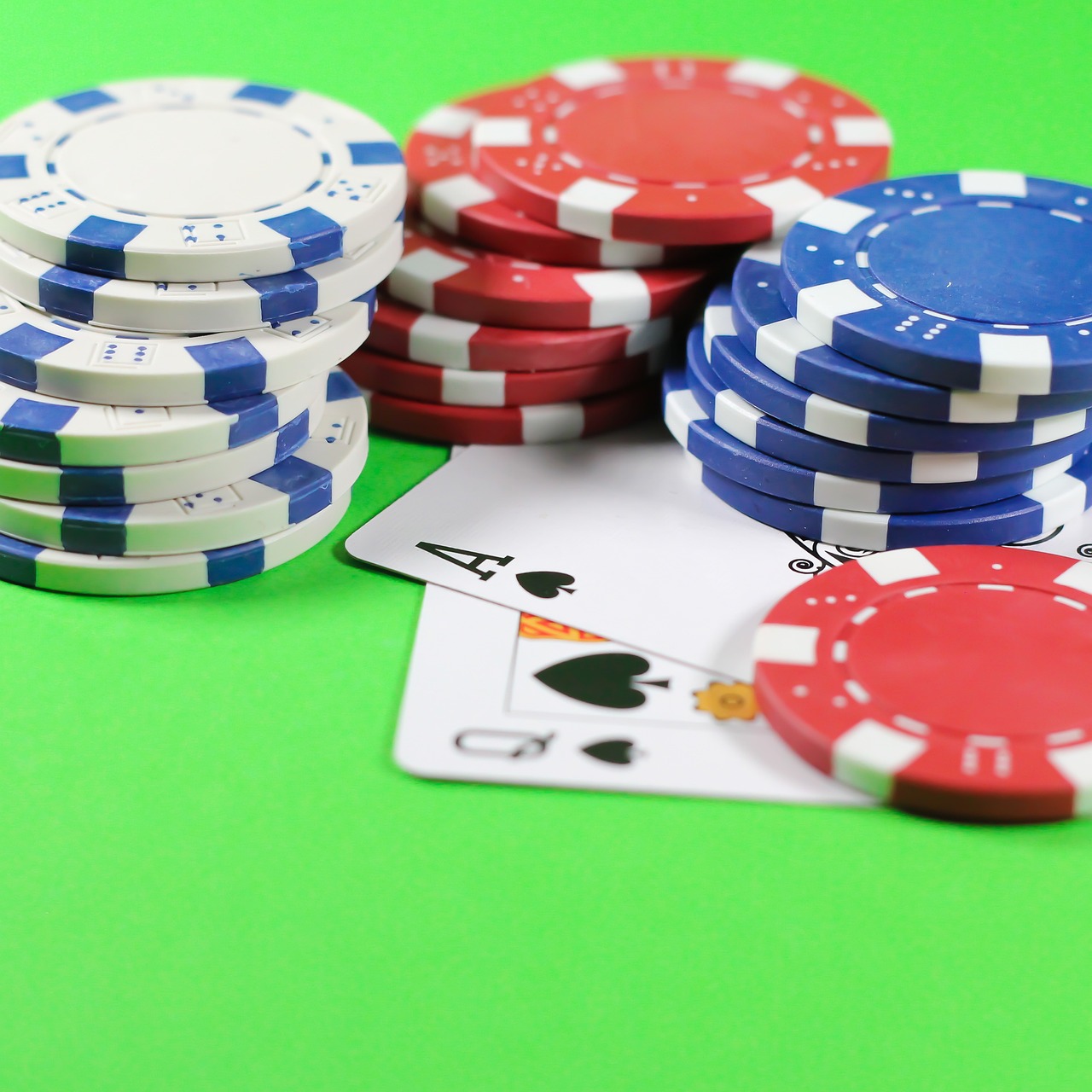
Ask ten slot players why they lost last night and you'll get ten different stories. The machine was cold. Someone else just hit the jackpot on it. The bonus round was "due." Every one of those explanations shares a single flaw: none of them are true. The math doesn't care about your feelings, your superstitions, or how long you've been sitting in that chair.
I've spent years watching players make the same avoidable mistakes, and the frustrating part is that a little understanding of how these games actually work would save most of them real money. Not by turning anyone into a guaranteed winner — that's not a thing — but by replacing magical thinking with clear-eyed decisions. Here's what actually matters.
Every legitimate slot has a Return to Player percentage, usually somewhere between 94% and 97% on modern video slots. A 96% RTP game, in theory, gives back 96 cents for every dollar wagered over millions of spins. New players read that and think it means they'll get most of their money back in a session. It doesn't.
Think of it like a casino with a thousand customers. If the house edge is 4%, the casino knows with near certainty that it will profit overall. But one customer might walk out up a few hundred euros, another might lose everything in twenty minutes. The RTP describes the ocean, not your particular wave. Variance — the size and frequency of swings — is what you actually experience at the machine, and it varies wildly. A low-volatility slot pays smaller amounts more often. A high-volatility game like many Megaways titles can eat hundreds of spins before a single meaningful hit. Neither is "better"; they suit different bankrolls and temperaments.
One more wrinkle worth knowing: online RTPs are often higher than land-based ones. Some physical casino floors run slots at 85% to 92%, while reputable online operators in regulated markets typically publish 94% to 97%. That gap is enormous over time. A detailed guide is available at iwin68club.it.com.
Here's the sentence that drives statisticians up the wall: "That machine hasn't paid out in an hour, it's due." Modern slot outcomes are generated by a random number generator that has no memory. The spin you're about to take is statistically identical to the one a stranger took three seconds ago on the same game. The machine isn't warming up, cooling down, or keeping score.
This misconception costs players two ways. They stay on a dead game far too long chasing a payout that isn't coming, or they abandon a game they enjoy because someone else won on it moments before, as if the well has run dry. It hasn't. Luck has no ledger.
Most players lose more than they intended not because of bad luck but because of bad structure. They sit down with a vague number in mind, hit a rough patch, and start "playing to get even." That's the trap. Here's a framework that works:
If slots are a test of bankroll management, poker is a test of emotional control. The two games attract very different mindsets, and crossovers often struggle. A slot player sits down at a cash table and starts firing off loose calls because the pace feels slow compared to a spin cycle. That's a fast track to being the table's favorite customer.
Poker's edge comes from making better decisions than your opponents over thousands of hands. A single lucky river card doesn't define a good player — a solid preflop range, position awareness, and the discipline to fold a good hand when the math says you're beaten do. Newer players massively overvalue big hands and undervalue position. Playing tight from early seats and loosening up on the button is one of the simplest, cheapest lessons available.
Another one: track your results. Not to chase losses, but to learn. Most losing players dramatically overestimate how often they win small pots and underestimate how much they bleed in marginal spots. Records don't lie, and they'll teach you faster than any tip list.
Casino bonuses are marketed as free money. They are not. A €100 match bonus with a 40x wagering requirement attached to the bonus amount means you need to wager €4,000 before you can withdraw anything derived from it. Read that again. The bonus is a marketing tool that increases your playtime, and depending on the game contribution percentages, clearing it can be a grind.
Before claiming anything, check three things:
None of this makes bonuses worthless. A generous offer with fair terms is genuinely good value. A predatory one with an impossible requirement is just math dressed up as generosity.
There's no system that beats a slot machine, no hot number at the roulette wheel, no perfect poker hand. What separates players who enjoy this world for years from those who burn out fast is understanding what they're actually up against. Variance is real. The house edge is real. But so is the difference between a player who budgets carefully, reads the terms, and treats gambling as entertainment with a cost — and one who chases phantom patterns into the red.
The smartest players aren't the ones who win the most. They're the ones who never let the game make decisions for them. Master that, and every spin, hand, and bet becomes what it was always meant to be: a calculated risk you chose, not a trap you fell into.


We are not gonna make spamming
