
Aster & Plot shares practical, down-to-earth guidance on practical flower gardening for uk growers for readers across the UK.
- 0123456789
- Angle Bd Abdelmoumen & rue soumaya, Résidence
- [email protected]
Aster & Plot shares practical, down-to-earth guidance on practical flower gardening for uk growers for readers across the UK.
 By Eleanor Hartley
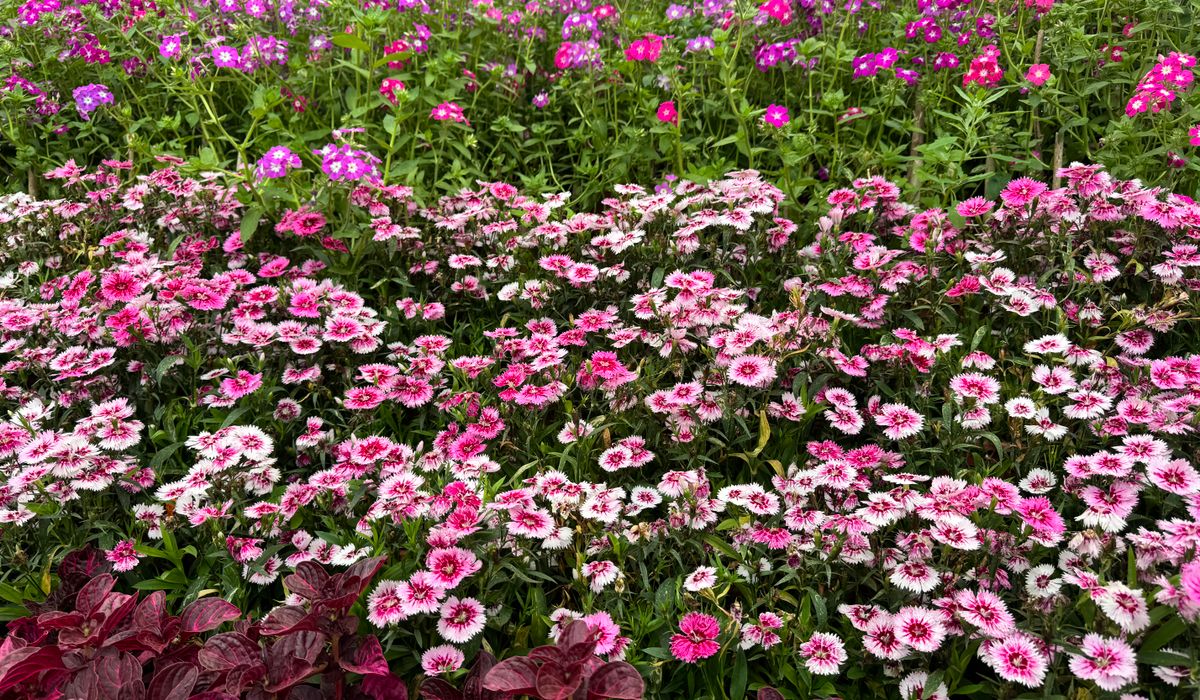
A perennial costs more than a packet of annual seeds, but it pays you back year after year. Most herbaceous perennials die back to the ground in autumn, sit quietly through the winter and then push up fresh growth in spring without any help from you. Once they are established, the only real work is a tidy-up, a mulch and the occasional division. British weather, mild and damp with few extremes, suits a huge range of them. The secret is to pick plants that match your soil, then give them a proper start rather than squeezing them in and hoping.
Most British gardens sit on clay, chalk or a sandy loam, and each behaves differently. Fork over the top 20–30cm of your border, removing perennial weeds such as ground elder, bindweed and couch grass completely, roots and all. Then work in two bucketfuls of garden compost or well-rotted manure per square metre. On heavy clay, add a couple of handfuls of horticultural grit as well to open up the structure.
If the border is slow to drain, plant on a slight mound so the crown never sits in water over winter. Autumn, from September to November, is the best planting window across most of the UK because the soil is still warm and rainfall does the watering for you. On cold, wet clay in the north, spring planting is safer.
Every plant on this list has proven itself in damp winters and unpredictable summers. None needs mollycoddling.
Spacing matters more than most beginners expect. Set most of these 30–45cm apart; allow 60cm for peonies, larger sedums and anything that will bulk up quickly. Crowding looks generous in June and turns into a fight for water and light by August.
Water the pot thoroughly an hour before planting. Dig a hole twice as wide as the rootball but no deeper, place the plant so the soil level matches the pot, backfill and firm gently with your heel. Water again, even if rain is forecast, then mulch with 5–7cm of compost, keeping it clear of the stems so they do not rot.
New perennials need help while their roots reach out. In dry spells, give each plant about ten litres twice a week for the first growing season, aiming at the soil rather than the leaves. After that, most will fend for themselves.
Resist the urge to feed. Rich soil produces soft, floppy growth that snaps in wind and attracts aphids. Stake tall growers such as peonies and achilleas early, before they need it, and keep on top of slugs around hostas, delphiniums and young hellebores. Deadhead spent flowers to keep the display going, but leave a few seedheads on sedums and yarrows for the birds.
After three to five years, most clumps become congested and flower less freely. Lift them in autumn or early spring, split the rootball with two forks back to back, and replant the healthiest outer pieces with a bucketful of compost. This is also how you get free plants to fill gaps or pass on to neighbours.
Cut back herbaceous growth in late winter rather than autumn where you can, leaving stems as shelter for insects and seed for birds. A spring mulch of well-rotted organic matter, plus a patient eye on watering, will keep these ten flowering reliably for a decade or more.


We are not gonna make spamming
