
Aster & Plot shares practical, down-to-earth guidance on practical flower gardening for uk growers for readers across the UK.
- 0123456789
- Angle Bd Abdelmoumen & rue soumaya, Résidence
- [email protected]
Aster & Plot shares practical, down-to-earth guidance on practical flower gardening for uk growers for readers across the UK.
 By Charlotte Penrose
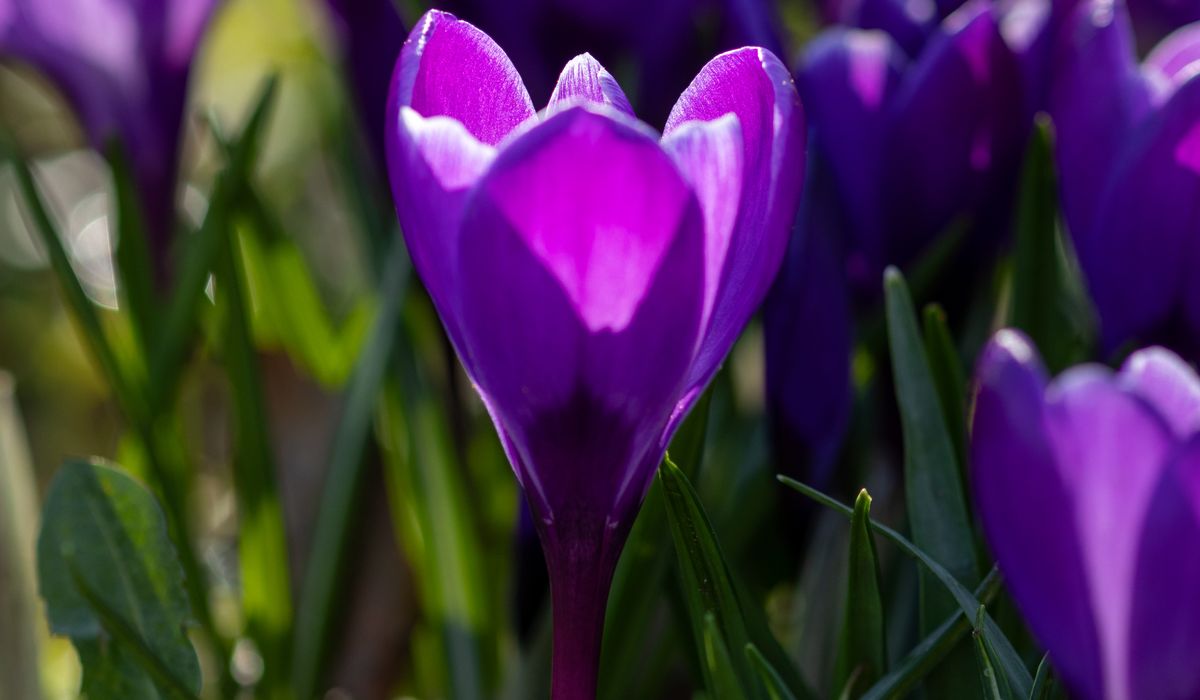
Hardy annuals are the most generous plants in the garden. They germinate quickly, flower within a few months of sowing, and cost almost nothing — one packet of seed can fill a border, a few pots, and still leave enough to scatter along a hedge. They also complete their whole life cycle in a single year, so if a colour combination does not work you can simply try something else next spring.
That combination of cheapness, speed and toughness makes them the ideal first crop of flowers to grow from seed.
A hardy annual germinates, flowers, sets seed and dies within a year, and its seedlings can survive frost. That last part separates it from half-hardy annuals such as cosmos, zinnias and sunflowers, which need warmth and should not go outside until late May, once the risk of frost has passed.
Reliable hardy annuals to look for:
Both work, and doing a bit of each is the safest approach. Autumn-sown plants establish roots before winter and flower five or six weeks earlier than spring sowings, usually on sturdier stems. That matters if you want cut flowers in June.
Sow from late August to mid-October, earlier in the north and later in the south, so plants make a small rosette before the cold slows them down. Autumn sowing suits well-drained, sheltered ground. On heavy clay, or in a wet, exposed spot, wait for spring.
Spring sowing runs from late March to the end of April, as soon as the soil is dry enough to work. Germination is quick, and flowering begins from July.
Sow half in autumn and half in spring and you get an early flush, a later one, and insurance against a hard winter.
Most failures come down to soil rather than seed. Choose an open, sunny site with at least six hours of sun. Fork it over to a spade's depth, removing weeds, roots and stones, then rake until the surface is crumbly — that tilth is what seed needs.
Do not add rich compost or manure. Fertile ground grows floppy, leafy plants with few flowers; annuals do best on modest, well-drained soil.
Sowing direct:
As a rule of thumb, bury seed two to three times its own depth; any deeper and it runs out of energy before reaching the light. If slugs are a problem, or your plot is small, raise plants in modules or cardboard tubes in a cold frame instead and plant them out in spring.
Thinning feels brutal and is essential. Once seedlings reach about 5cm, remove the weak ones so the strongest stand 20–30cm apart — check the packet, as larkspur and Ammi want more room than candytuft. Crowded plants compete for water and light and produce weak stems and small flowers. Snip the extras off at soil level rather than pulling, which disturbs the roots you are keeping.
Water in dry spells, particularly while seedlings establish and again as they come into bud. After that, a deep soak once a week beats a daily sprinkle.
Tall types — larkspur, sweet peas, Ammi — need support. Push pea sticks, twiggy birch or a grid of netting over the rows while plants are still small, so stems grow up through them.
Slugs and snails will take their share. Night patrols with a torch and clearing damp debris work better than anything. Birds sometimes nip off seedlings; a few short twigs laid across the row usually puts them off.
Pick or deadhead regularly. A flower left to set seed tells the plant its job is done, and flowering slows. Cut in the cool of the morning, plunge stems straight into water, and condition for a few hours before arranging.
Leave a few plants to run to seed and nigella, calendula and poppies may sow themselves around the garden for free. Collect dry seed heads on a warm day once they rattle, store them in paper envelopes somewhere cool, and you will barely need to buy seed again.
Finally, sow little and often. A metre of row every three weeks from March to June gives a steady supply of flowers right through to the first frosts.


We are not gonna make spamming
