
Aster & Plot shares practical, down-to-earth guidance on practical flower gardening for uk growers for readers across the UK.
- 0123456789
- Angle Bd Abdelmoumen & rue soumaya, Résidence
- [email protected]
Aster & Plot shares practical, down-to-earth guidance on practical flower gardening for uk growers for readers across the UK.
 By Eleanor Hartley
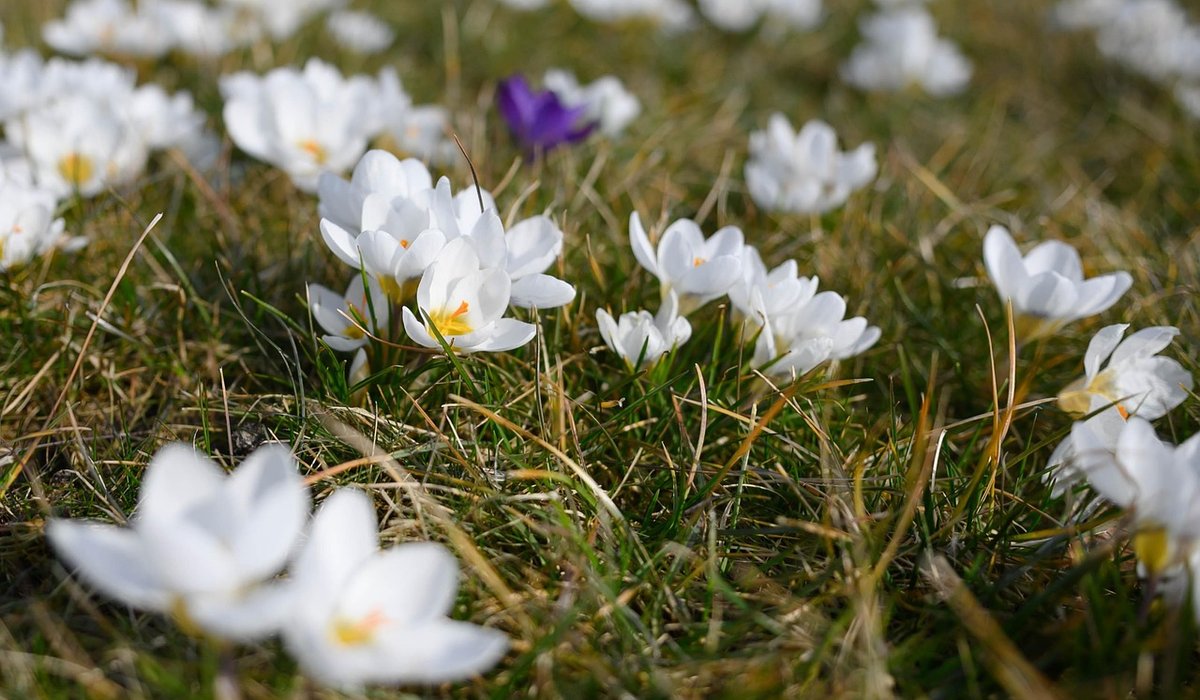
If you want a border that hums from March to October, the simplest approach is to plant the plants our insects evolved alongside. Native perennials — the wildflowers and meadow species that grew here long before garden centres existed — offer the right shape of flower for our bees, moths and butterflies, and they tend to be generous with both nectar and pollen. Many are also larval food plants, meaning a butterfly will lay eggs on them as well as feed from them.
They are not difficult. Most are tolerant of our damp winters and unpredictable summers, and once established they need far less watering and feeding than the summer bedding they replace. The trick is to think in seasons rather than in one glorious July display. A border that only performs for six weeks is a border that starves its visitors for the other half of the year.
Most wildflowers want sun. Aim for at least six hours of direct light in midsummer, ideally with the border facing south or west. A little afternoon shade is fine; deep shade under a mature tree is not, so save that spot for shade-tolerant woodlanders such as wood cranesbill and hedge woundwort.
Prepare the ground properly and you will save yourself years of weeding. Clear perennial weeds such as couch grass, ground elder and bindweed before planting — these will outcompete young wildflowers. If your soil is heavy clay, fork in plenty of well-rotted organic matter and a little grit to open it up. If it is thin and chalky, most native perennials will be perfectly happy, so don't over-enrich it. Rich soil makes floppy, leafy plants with fewer flowers.
Plant in autumn or early spring, spacing most perennials 30–45cm apart. They will knit together within two seasons if you give them room.
Early queens emerging from hibernation need food urgently, and there is often very little about. This is where a handful of early natives earns its keep.
Underplant these with native bulbs and let the foliage die back naturally before you tidy anything. The leaves are feeding next year's flowers.
From June to August the border should be loud. Mix flower shapes deliberately: flat, open daisies suit hoverflies and small solitary bees, while deep tubular flowers suit long-tongued bumblebees.
Deadhead only what you need to keep tidy. Let the rest set seed — and leave the stems standing, because many solitary bees nest in hollow stems over winter.
September and October are when many gardens fall silent, just as bumblebee queens are fattening up for hibernation and butterflies are topping up reserves. Plan for it.
Add a few autumn hawkbit or common knapweed at the front and you will have colour into November in a mild year.
Insects forage more efficiently when they can find a decent patch of one thing. Rather than dotting singles about, plant in groups of three to five of the same species, roughly 40–60cm across. Repeat these drifts along the border so there is always something within easy flying distance.
Maintenance is light if you get the timing right. Leave everything standing over winter — seedheads feed birds, stems shelter insects and the structure looks wonderful in frost. Cut back to about 10cm in late February or early March, before new growth starts. Rake off the cuttings if you can, but don't be too tidy; a little leaf litter at the base is prime habitat.
Feed sparingly, if at all. Avoid pesticides entirely, and check that any compost or mulch you buy is peat-free. Top up with a few new plants each autumn, thin out anything that bullies its neighbours, and the border will get better — busier, taller, more generous — with every passing year.


We are not gonna make spamming
