
Aster & Plot shares practical, down-to-earth guidance on practical flower gardening for uk growers for readers across the UK.
- 0123456789
- Angle Bd Abdelmoumen & rue soumaya, Résidence
- [email protected]
Aster & Plot shares practical, down-to-earth guidance on practical flower gardening for uk growers for readers across the UK.
 By Eleanor Hartley
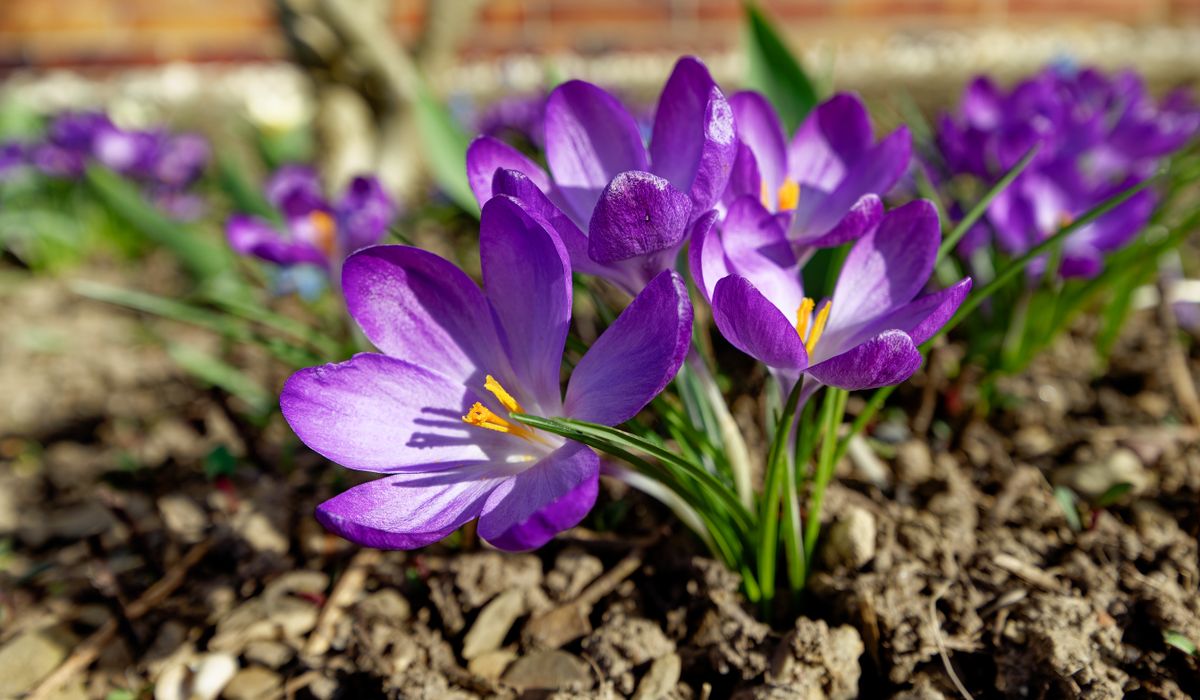
Few plants work as hard as lavender. It gives months of scent, hazy blue-purple flowers in midsummer, a hum of bees you can hear from the kitchen door, and a neat grey-green shape in winter when everything else looks sulky. It also copes with our summer droughts once established, which is more than can be said for many border stalwarts.
Where it fails is in wet, heavy ground and deep shade. Lavender is a Mediterranean shrub at heart: it wants sun on its leaves and air around its roots. Get those two things right and it will live for a decade or more. Get them wrong and you will watch it sulk, split open in the middle and die back over a soggy winter.
Broadly, you will meet three groups in British garden centres, and they are not interchangeable.
In cold, wet regions, stick to English lavender. It is not a compromise; it is the plant most likely to still be there in five years.
Find the sunniest spot you have — six hours of direct sun minimum, eight is better. Lavender in shade grows soft, leggy and flowerless, and soft growth is exactly what rots in winter.
Drainage matters more than fertility. If your soil is clay, do not simply dig a hole and hope. Improve the whole area, or plant on a slight mound with plenty of horticultural grit and well-rotted organic matter worked in. A handful of grit in the planting hole alone just creates a sump.
Plant in spring or early autumn, when the soil is warm and moist but not waterlogged. Space English lavender about 30–40cm apart; closer spacing makes a hedge fill in faster but crowds the airflow that keeps disease away. Set the plant so the rootball sits just below the surface, firm gently and water in.
Then comes the counter-intuitive bit: do not feed it. Rich compost, manure or general-purpose fertiliser push out lush, floppy growth that flops open, flowers poorly and is far more prone to winter damage. Lean soil is exactly what you want. A light mulch of gravel or coarse grit around the plant keeps weeds down, reflects heat and keeps the collar of the plant dry.
Lavender is one of the best container plants going, provided you treat the compost like a Mediterranean hillside rather than a vegetable bed.
Grouping three pots of different lavenders — an early English type, a lavandin for midsummer and a French lavender for the patio — gives you scent from June into September.
Lavender is short-lived if left unpruned, because it turns woody and bare at the base and eventually splits apart. The fix is simple and needs doing every year.
Cut back the flowered stems and about a third of the current year's leafy growth immediately after flowering, usually late August to early September. Aim to leave a tidy rounded cushion with plenty of leaves on it. Never cut into the old, leafless wood — it will not reshoot, and you will be left with dead stubs.
In cold or exposed gardens, it is safer to leave the final tidy until spring, when you can see the new growth starting. The old flower stems can stay over winter as a little frost protection, then be clipped away in March.
Most lavender troubles trace back to water. Root rot, caused by soil-borne fungi in waterlogged ground, shows as plants collapsing suddenly in winter or spring — by then it is too late, so prevention through drainage is everything.
Rosemary beetle, a shiny metallic-striped beetle, nibbles the foliage and can strip plants in a bad year. Pick them off by hand in spring, when they are sluggish and easy to catch. Cuckoo spit on the stems looks alarming but is harmless. Grey mould appears where air cannot move through crowded plants, so keep them spaced and pruned.
Finally, take cuttings in late summer: 7–10cm non-flowering shoots, stripped of their lower leaves and pushed into gritty compost. They root in a few weeks and give you replacements for free — which matters, because even well-grown lavender is at its best for around eight to ten years.


We are not gonna make spamming
